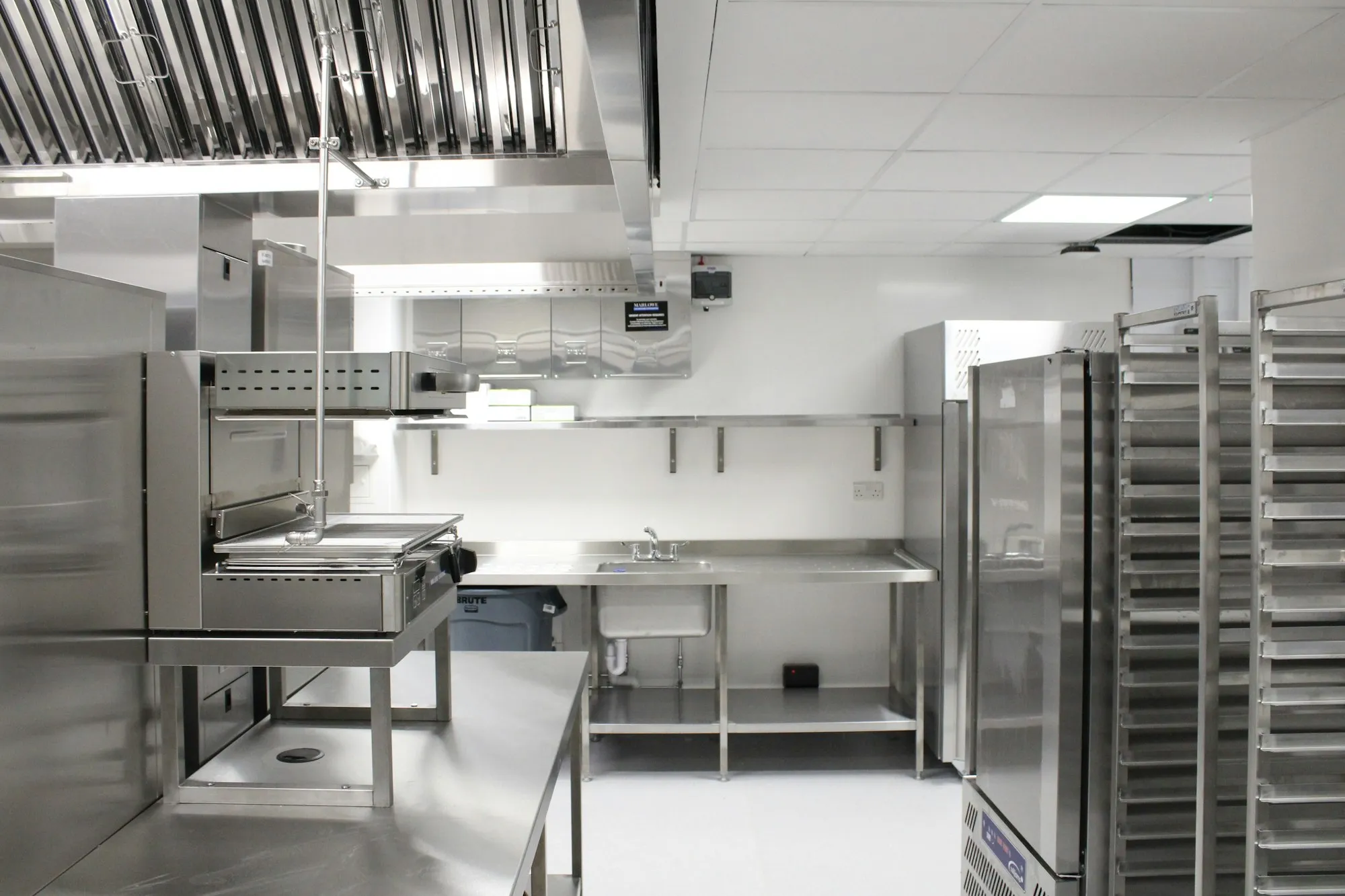
Hospitality & food
Facility management for kitchens and food facilities
In a food facility, a broken cooler costs product and a dirty exhaust duct can start a fire. Orbit keeps equipment, buildings and maintenance records in shape for public health inspectors, the fire department and your food-safety auditors.
Inspection-ready
The building items an inspection looks at first
| Area | What the rules require | What Orbit does |
|---|---|---|
| Kitchen exhaust and hoods | Hoods, ducts and fans are cleaned on a schedule set by cooking volume and fuel type, from monthly to annually.NFPA 96, referenced by the Ontario Fire Code | Set each site’s cleaning interval, book certified hood cleaning and keep certificates and photos on file. |
| Refrigeration | Coolers and freezers hold safe temperatures, and equipment stays in good repair.O. Reg. 493/17, Food Premises | Preventive maintenance by licensed refrigeration technicians, with failures handled as emergencies. |
| Pest control | Premises are kept free of pests, with a program inspectors can review.O. Reg. 493/17, Food Premises | Licensed pest control with service logs and trend reports, plus repairs that seal entry points. |
| Backflow prevention | Backflow devices are tested every year in municipalities whose by-laws require it. | Track test due dates for every device and book certified testers. |
| Drains and grease | Grease interceptors and floor drains are maintained so sewer-use by-laws are met and drains don’t back up. | Scheduled interceptor pump-outs, drain cleaning and records for each site. |
This summary is a guide, not legal advice. Food processors may also fall under federal (CFIA) or provincial licensing and GFSI-certified audit schemes. We match each facility’s program to its own requirements.
On site
Maintenance that doesn’t create a food-safety finding
Scheduled around production
Planned work happens between shifts, after service or during sanitation windows.
Tool and parts control
Every tool, fastener and part taken into a production area is counted back out.
Hygiene clearance before restart
The area is cleaned and signed off before food contact resumes.
Food-grade materials
Food-grade lubricants and sealants, and no glass or brittle plastic left exposed.
Records auditors accept
Work orders, certificates and service logs filed by site.
Docks and exterior
Dock doors, levellers, lots and snow kept clear so deliveries keep moving.

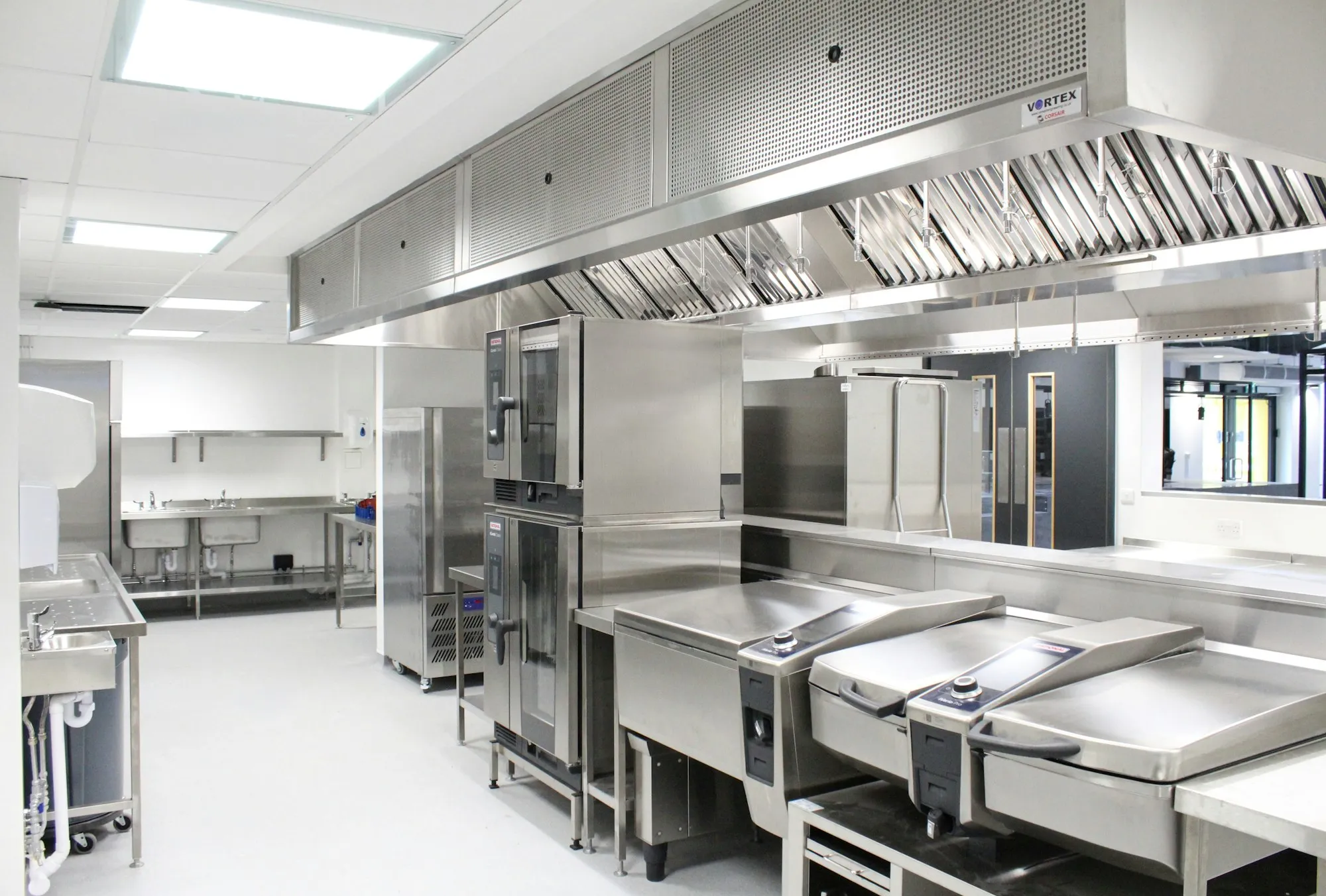
Across your portfolio
Every location, one standard
Multi-site operators get one agreement, one compliance calendar covering every site and one monthly report per location.
- A digital binder for every site with logs, certificates and service history
- Recurring checks and maintenance scheduled for every location
- One point of contact and a 24/7 emergency line
- Monthly reporting and capital planning one to three years ahead
Services for this sector
What we take over
Compliance & life safety
Recurring inspections and checks scheduled, logged and closed out for every site.
Pest control programs
Licensed pest control, service logs and the repairs that keep pests out.
Plumbing & drains
Fixtures, leaks, drains and backflow testing handled before they become floods.
Repairs & 24/7 emergency response
One number for leaks, power loss, no heat and equipment failures, day or night.
Questions
Food & beverage facilities: common questions
How often should kitchen exhaust systems be cleaned?
NFPA 96 sets the frequency by cooking volume and fuel: monthly for solid-fuel cooking, quarterly for high-volume operations, semi-annually for moderate volume and annually for low volume. We set each site’s interval after inspecting the system.
Can you work during production downtime only?
Yes. Planned work is scheduled into your sanitation windows, off-shifts or closures.
Also in hospitality & food
Tell us how many sites you run
We’ll walk them with you, build each site’s maintenance and compliance calendar, and send a written scope with pricing.